Goldman Sachs Bitcoin ETF Filing Shows Institutional Interest Continues Despite Market Volatility
Goldman Sachs’ Bitcoin ETF filing highlights how major financial institutions are still exploring crypto exposure even as Bitcoin faces volatility and shifting investor sentiment.

Introduction
Bitcoin remains the most closely watched asset in the crypto market, and institutional interest continues to shape the conversation around its future.
A recent filing by Goldman Sachs for a Bitcoin-related exchange-traded fund product has added another signal that major financial institutions are still exploring ways to offer Bitcoin exposure through regulated investment structures.
The filing does not mean the product is guaranteed to launch, and it should not be treated as a reason to buy or sell Bitcoin. However, it does show that traditional finance firms are still studying demand for crypto-linked products.
Why Bitcoin ETFs Matter
Exchange-traded funds can make it easier for certain investors to gain exposure to an asset through brokerage accounts. For Bitcoin, ETF products have become an important bridge between crypto markets and traditional finance.
Bitcoin ETF products may appeal to institutions and investors who want exposure without directly managing private keys, wallets, or exchange accounts.
However, ETFs do not remove Bitcoin’s core risks. Bitcoin can still be highly volatile, and ETF shares can decline in value if Bitcoin falls.
Institutional Interest Is Not the Same as Certainty
When a major financial institution files for a Bitcoin ETF product, it can create headlines. But readers should be careful not to overinterpret the news.
A filing is part of a regulatory and business process. It may be reviewed, changed, delayed, rejected, or approved depending on the product structure and applicable rules.
Institutional interest also does not guarantee strong demand. Market conditions, fees, liquidity, investor appetite, and macroeconomic trends all affect whether a product succeeds.
Why Volatility Still Matters
Bitcoin’s history includes large price rallies and sharp drawdowns. Even when institutional products are available, Bitcoin can remain sensitive to:
- Interest rate expectations
- ETF inflows and outflows
- Global risk sentiment
- Regulatory headlines
- Exchange liquidity
- Corporate treasury decisions
- Broader technology market trends
This is why responsible coverage should avoid claims that any ETF filing guarantees a positive price outcome.
The Bigger Bitcoin Story
Bitcoin’s role in 2026 is broader than short-term price action. The market is watching several major themes:
- Long-term institutional adoption
- Spot and structured ETF products
- Corporate treasury exposure
- Mining economics
- Network security
- Macroeconomic uncertainty
- Regulation and custody standards
Bitcoin remains the largest and most recognized crypto asset, but its market behavior can still be influenced by the same risk cycles that affect other speculative assets.
What Readers Should Watch
Instead of focusing only on price headlines, readers can watch the following signals:
ETF Flows
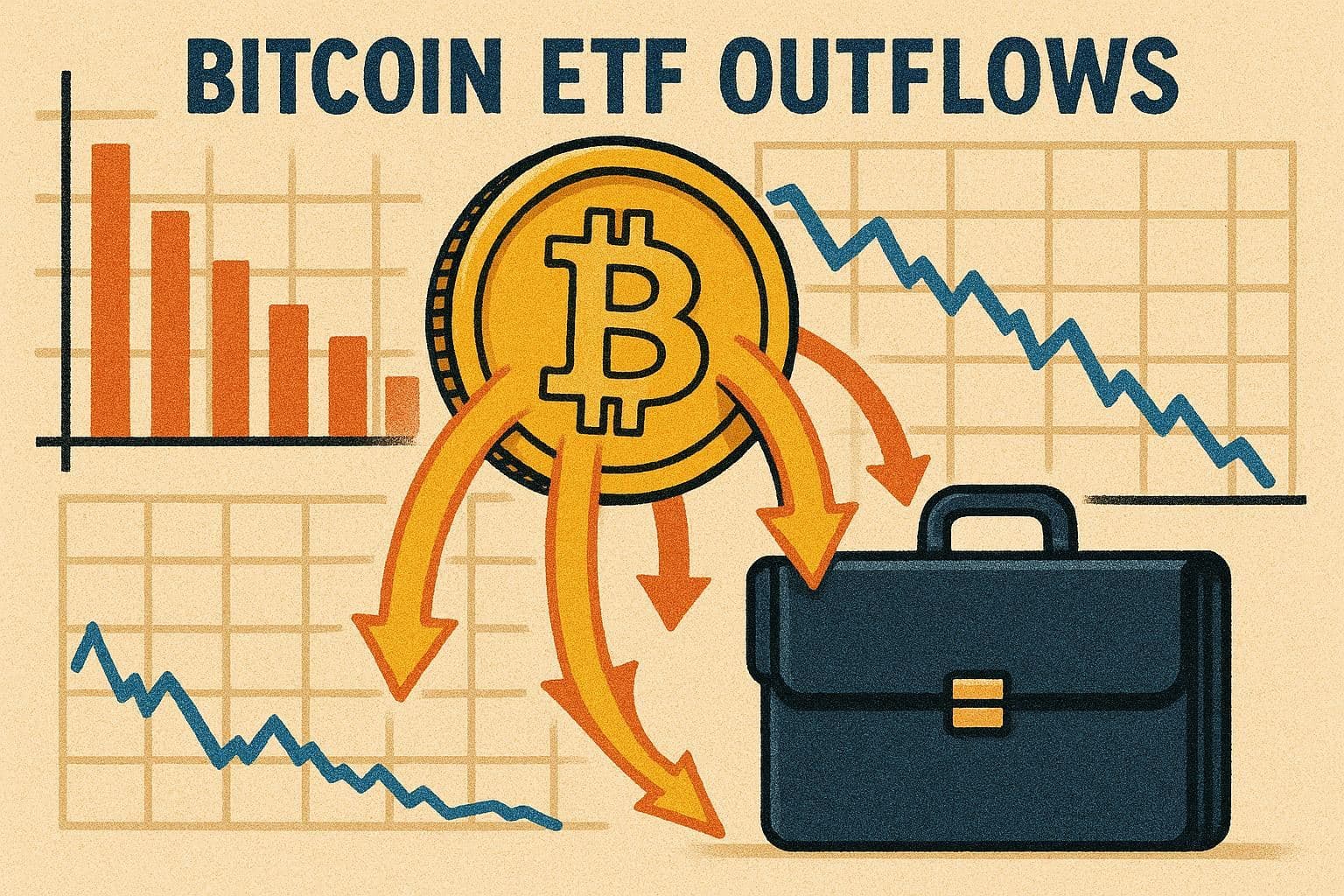
Inflows may suggest stronger demand, while outflows may point to caution or profit-taking. These flows can change quickly.
Regulatory Review
ETF filings depend on regulatory processes. Details such as structure, fees, custody, risk disclosures, and investor protections matter.
Market Liquidity
Bitcoin liquidity across exchanges and institutional venues can affect volatility, especially during periods of stress.
Macro Conditions
Higher interest rates, a strong dollar, or weak risk appetite can pressure speculative assets, including crypto.
No Investment Recommendation
A Bitcoin ETF filing is newsworthy, but it is not an investment recommendation. Readers should not treat institutional activity as proof that Bitcoin is safe, undervalued, or guaranteed to rise.
Every investor has different risk tolerance, time horizon, tax situation, and financial needs.
Conclusion
Goldman Sachs’ Bitcoin ETF filing shows that institutional crypto interest has not disappeared, even during periods of market uncertainty. It also highlights how Bitcoin continues to move closer to traditional financial infrastructure.
Still, the safest interpretation is balanced: institutional interest is important, but Bitcoin remains volatile and risky. Readers should focus on facts, risk management, and independent research rather than hype.
Disclaimer: This article is for informational and educational purposes only. It is not financial, investment, trading, legal, or tax advice.

Written by
Alif Fahmi
hi , I'm Alif, I'm a blockchain & cryptocurrency lover, I love writing & learning, my job is web developer & crypto trader